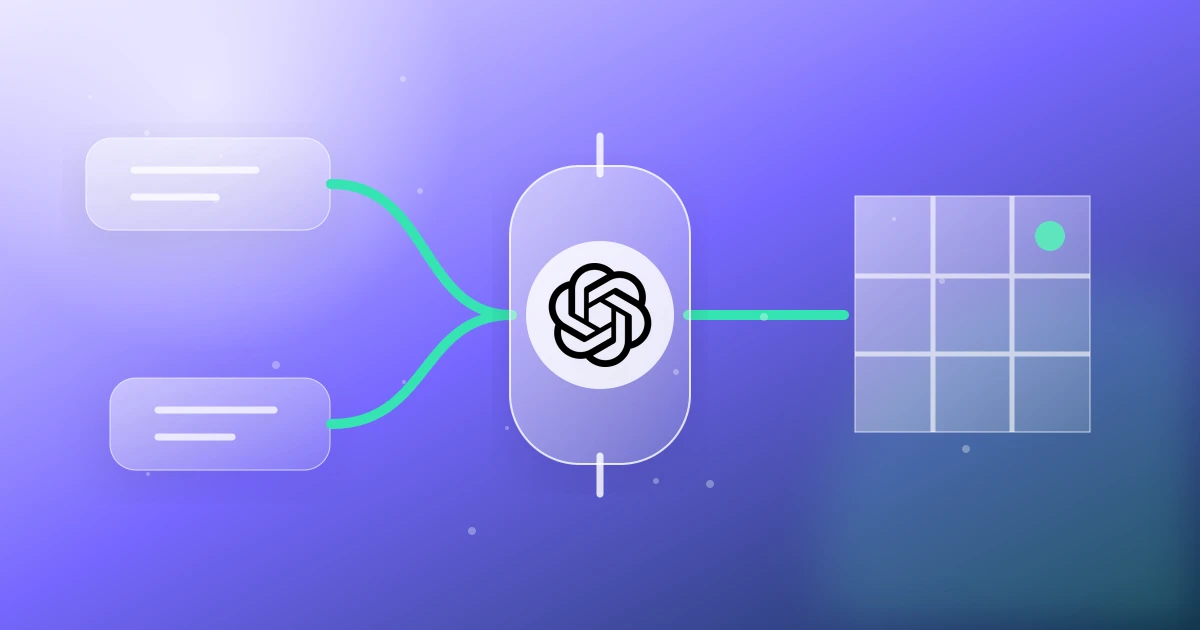
Direct answer: Connect Finta to Codex, then ask it to turn authorized relationship, CRM, document, and deal context into a source-backed milestone ledger. Finta supplies the private-capital context. Codex gives you a flexible place to analyze it, shape the output, and continue the work. Keep consequential updates and external communication under human review.
Product releases, customer evidence, and technical milestones need to become accurate investor-facing proof without overstating impact. This workflow turns that scattered context into a finished artifact you can inspect, correct, and use.
What this workflow gives you
The result is a source-backed milestone ledger that stays connected to the records behind it. The goal is not another generic AI answer. It is a useful piece of work grounded in the relationships, documents, stages, meetings, and commitments your team has already captured in Finta.
| Layer | Contribution | Control |
|---|---|---|
| Finta | Authorized CRM records, relationship evidence, connected context, documents, and workflow state | Your Finta organization, permissions, and source records define what is available |
| Codex | Reasoning, drafting, synthesis, and the client-specific working experience | You review the prompt, tool calls, sources, and returned artifact |
| You | Judgment, corrections, relationship context, approval, and the final decision | Nothing in this recipe establishes consent, interest, or permission to contact someone |
Connect Finta to Codex
Follow the current Finta MCP setup guide for Codex. Begin with a read-only request that lists the available Finta tools and confirms the intended organization. Client availability, account tier, admin policy, and tool approval behavior can change, so use the linked guide as the setup source of truth.
Copy this starter prompt
Use my authorized Finta context to help me produce a source-backed milestone ledger. Start by listing the Finta sources and records you can access. Separate verified facts, observations, and unknowns. Use the current relationship owner, stage, recent activity, open commitments, and relevant approved documents. Do not create, update, send, schedule, enroll, archive, or delete anything. Return the draft, the evidence used, the decisions that need me, and the next review step.
Run the workflow
- Define the result. Name the exact artifact, audience, decision, and time window.
- Confirm the context boundary. Select the intended Finta organization and the records or sources that belong in the task.
- Start with retrieval. Ask Codex to show what it found before asking it to interpret or draft.
- Separate evidence from inference. Require sources, observation dates, and explicit unknowns.
- Build the artifact. Generate a source-backed milestone ledger in a format the responsible person can actually review.
- Apply human judgment. Correct stale context, remove unsupported conclusions, and decide what should happen next.
- Record the outcome deliberately. Write back only the approved update, owner, or next step. Review any external message separately before sending.
Worked example
Product releases, customer evidence, and technical milestones need to become accurate investor-facing proof without overstating impact. The operator asks Codex to retrieve the relevant Finta records, show the supporting evidence, and prepare a source-backed milestone ledger. The returned work identifies what is known, what is missing, and which decision belongs to the human owner. The operator corrects one stale assumption, approves the useful portions, and records the next step in the system that owns it.
What good output looks like
- The requested artifact is complete enough to review, not just a paragraph of advice.
- Material claims link back to a Finta record, connected source, document, or clearly identified public source.
- Unknowns and stale observations remain visible.
- The relationship owner and next decision are explicit.
- Drafted communication remains distinguishable from communication that was actually sent.
Use the underlying Finta method
This page owns the Codex execution experience. The underlying operating method remains in the related Finta Workflow. Use that page for the durable process, review criteria, and failure states, then return here for the harness-specific prompt and setup.
Limitations and safeguards
- Finta is not a proprietary PitchBook-style investor, company, property, or LP database.
- Public-web research and connected data should be sourced and checked for freshness.
- A relationship path does not establish consent, endorsement, interest, or introduction likelihood.
- AI-generated analysis can omit context or overstate a conclusion. Reopen the supporting record before acting.
- Do not paste credentials, access tokens, confidential data, or restricted materials into prompts.
- External communication and consequential CRM changes remain subject to the approvals and controls of the user and organization.
Make Codex useful for relationship-driven work
Connect Finta to Codex, run the read-only starter prompt, and produce the first artifact from context you already own. Then review Finta MCP to see how Finta brings relationship and deal context into supported AI clients.
Sources and editorial note
Research updated 2026-09-28. Written and reviewed by the Finta Editorial Team. The worked example is illustrative. Product availability, permissions, connectors, and client interfaces can change. Verify the current setup guide and the tools presented to your account before relying on the workflow.