Workflow
Donor Stewardship Follow-Up: Turn Meetings Into Next Actions
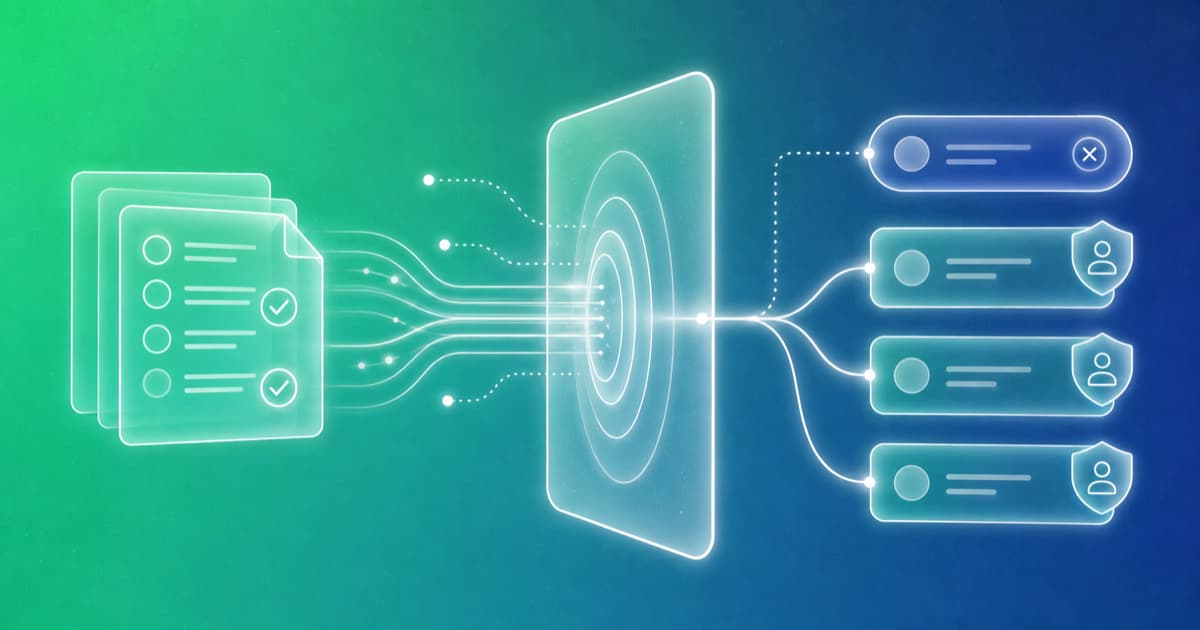
A reviewed stewardship receipt containing confirmed answers and commitments, an unsent follow-up draft, and owned tasks written to the appropriate relationship, donor, and operating records.
- Audience
- Major gift officers, Nonprofit development teams, Executive directors, Foundation relations teams
- Products
- Aurora, CRM, Tasks, Documents
- Integrations
- Gmail, Outlook, Google Calendar, Meeting notes
- Prerequisites
- Meeting notes or a transcript the organization is authorized to use, The correct donor, foundation, or partner relationship record, Current communication, anonymity, recognition, and privacy preferences, A named relationship owner and designated systems for gift and stewardship records
- Expected outcome
- A reviewed stewardship receipt containing confirmed answers and commitments, an unsent follow-up draft, and owned tasks written to the appropriate relationship, donor, and operating records.
- Approval boundary
- The relationship owner verifies the notes, identity, commitments, preferences, program facts, recipients, and task ownership. Donor-facing communication remains unsent until an authorized person approves it, and gift, restriction, receipt, and accounting records stay in their designated systems.
Donor stewardship follow-up starts with what the meeting actually confirmed. Ask Aurora to prepare a receipt of answers and commitments, an unsent follow-up draft and the tasks that need an owner. Review the evidence and write approved outcomes to the appropriate relationship, donor and operating records. Keep donor preferences and the authoritative gift records intact; a prepared draft is not a message already sent.
Who this workflow is for
Major gift officers, Nonprofit development teams, Executive directors, Foundation relations teams. Use it when relationship context is spread across approved records, communication, meetings, and documents, but the final judgment still belongs to a person.
Execution mode and prerequisites
Human-confirmed post-meeting recipe. Aurora can organize approved notes into candidate answers, commitments, a draft, and tasks. A person decides what the donor said, what the nonprofit promised, what may be retained, and what should happen next.
- Meeting notes or a transcript the organization is authorized to use
- The correct donor, foundation, or partner relationship record
- Current communication, anonymity, recognition, and privacy preferences
- A named relationship owner and designated systems for gift and stewardship records
Inputs, review boundary, and outcome
| Input | What a person verifies | Reviewed output |
|---|---|---|
| Approved meeting evidence | Participants, exact answers, requests, decisions, commitments, conditions, and ambiguity | Grounded meeting record |
| Relationship and preference context | Correct identity, owner, prior commitments, communication choices, privacy, and access | Stewardship boundary |
| Approved program material | Current facts, claims, restrictions, and responsible internal teams | Accurate follow-up context |
Run the workflow
- Confirm the meeting, participants, relationship record, source notes, permitted use, and review owner.
- Extract explicit answers, questions, requests, decisions, and commitments while preserving conditions and uncertainty.
- Separate donor commitments, nonprofit commitments, discussion, and ideas that were not accepted actions.
- Check communication, anonymity, recognition, restriction, and privacy preferences before drafting or assigning work.
- Prepare a concise follow-up draft and proposed tasks with source links, owners, and stated or reviewed dates.
- Approve, correct, defer, or discard each item, then write accepted records to the correct CRM, donor, task, gift, or finance system.
Human approval boundary
The relationship owner verifies the notes, identity, commitments, preferences, program facts, recipients, and task ownership. Donor-facing communication remains unsent until an authorized person approves it, and gift, restriction, receipt, and accounting records stay in their designated systems.
Worked example
A donor asks for the latest youth-program outcomes and says they may introduce the program director to a local employer. The reviewer confirms both statements in the notes, assigns the approved outcomes update to the program lead, records the introduction as a possible path rather than a commitment, and prepares a thank-you draft. The gift officer checks the recipient, privacy preference, and program facts before choosing whether to send it.
Expected review receipt
- Confirmed answers, requests, and commitments link to the source notes
- Ambiguous statements remain questions rather than accepted facts
- The unsent draft identifies its reviewer and intended recipient
- Each accepted stewardship task has an owner, date, and destination system
- Preferences, restrictions, and any safe stop are recorded
Decision checklist
- The right donor, foundation, meeting, and participants are identified
- Every material statement can be reopened in the approved source
- Discussion is not converted into a promise or gift commitment
- Current preferences and restrictions are applied before communication
- Tasks have authorized owners and dates
- The external draft remains separate from an approved send
Failure states and safe stops
- The notes, participants, or relationship identity are incomplete or ambiguous
- A summary invents certainty, amount, timing, intent, or a promised introduction
- Communication or recognition preferences are missing or conflict with the draft
- A gift, restriction, tax, grant, or accounting record would be written to the wrong system
- The responsible relationship or program owner has not reviewed the action
Where Finta helps
In a supported, permissioned setup, Finta can organize the relevant CRM record, relationship history, connected or user-provided evidence, documents, and next-action workspace. Aurora can prepare a recommendation, summary, or draft. A person remains responsible for checking the evidence and approving consequential changes or communication.
Relevant Finta products: Aurora, CRM, Tasks, Documents. Relevant integrations: Gmail, Outlook, Google Calendar, Meeting notes.
What this workflow does not do
- Meeting notes and transcripts can omit tone, context, conditions, or side conversations.
- Finta does not determine donor intent, gift restrictions, tax treatment, or accounting treatment.
- A polished draft is not proof that the message is accurate, appropriate, or approved.
- The nonprofit remains responsible for donor privacy, stewardship, records, and every external communication.
Sources and review notes
The AFP Code of Ethical Standards emphasizes accurate development communications, donor privacy, proper stewardship, and honoring donor intent and restrictions. Those principles define the review boundary for this operating recipe.
Research reviewed: September 5, 2026. Recheck product behavior, permissions, professional standards, and the human approval boundary before publication and after any material workflow change.