Workflow
Assemble SBIR and STTR Proposal Evidence With Aurora
Connect a specific agency topic to your technical plan, source evidence and unresolved requirements before writing a proposal.
- Audience
- Business owners, founders and advisers preparing capital applications
- Products
- Aurora, Documents, Tasks
- Prerequisites
- Specific official agency topic, Current intake verified by applicant, Approved scientific sources, Responsible technical and authorized applicant owners
- Expected outcome
- Topic-to-evidence map with technical and applicant review questions
- Approval boundary
- Technical and applicant reviewers verify assertions and submit externally
Make the proposal fit visible before writing it
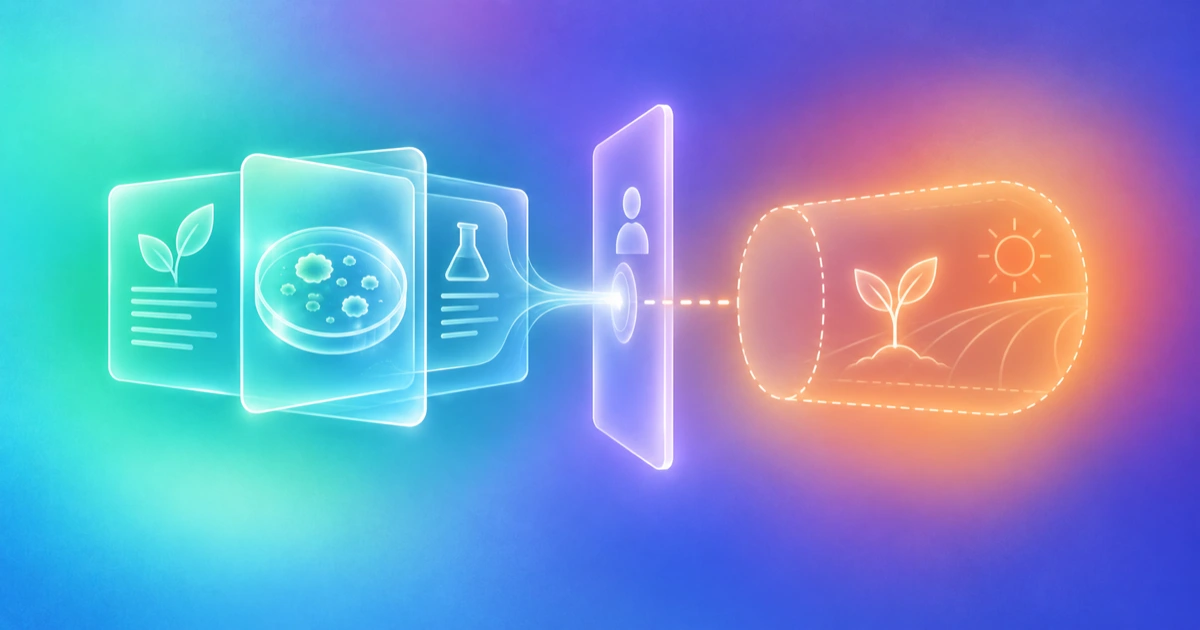
Start SBIR or STTR preparation with one specific agency solicitation and topic. Build a topic-to-evidence map, identify missing technical and applicant facts, then use Aurora to organize the review pack. The result is a stronger drafting foundation, not a promise that the topic is open or the applicant is eligible.
Agency processes differ. SBIR.gov explains that participating agencies administer their own programs. Check the agency's current solicitation, amendments, authorization notices and submission route before treating any opportunity as accepting applications.
Build a topic-to-evidence map
| Review area | Evidence to attach | Question to resolve |
|---|---|---|
| Agency need and exact topic | Current solicitation and topic text | Which stated need does this work address? |
| Technical approach | Approved plan and prior evidence | What will be tested, and how? |
| Team and applicant facts | Actual roles, biographies and business information | What must the authorized applicant verify? |
| Partner relationship where relevant | Written scope and supported responsibilities | Which agreement or agency requirement remains open? |
| Commercialization and use | Supported customer/problem research | What evidence exists beyond a market-size assertion? |
Use the actual agency's criteria when they differ. Do not carry a favorable answer from one agency, phase or program into another without checking the governing instructions.
Prepare the evidence in six steps
- Name the target exactly. Record agency, program, solicitation number, topic, phase, version, deadline and official route. If current intake is unclear, label it unclear rather than open.
- Confirm the evidence basis. Gather the source files that the team is allowed to use: technical plans, results, references, biographies, project scopes and business facts.
- Keep observed and proposed work separate. A prior test is evidence. A planned experiment is an activity. A success target is not a demonstrated result.
- Use Aurora for the first map. Ask for criterion, source section, supporting file, evidence state and question. Do not ask it to decide compliance from incomplete facts.
- Review with the responsible people. Technical owners verify feasibility and results; the authorized applicant verifies representations; partners confirm their own obligations.
- Save the reviewed pack. Use main chat to save the working evidence map to Documents. Add tasks for missing sources, registrations and questions through the supported task flow.
Ask for a map, not invented expertise
Build an evidence map for this named agency solicitation and topic. Match each stated criterion to supplied documents or mark it missing/unverified. Separate completed results, proposed work and assumptions. Preserve references and unresolved applicant/partner requirements. Do not invent research, credentials, collaborators or open intake, certify eligibility, or submit the proposal.
Use Documents for approved source files and main Aurora chat for the substantial review. If a relevant paper or file is inaccessible, ask the owner for an authorized copy or retain the gap.
Illustrative result: a technical plan with a visible gap
A fictional robotics team has a laboratory test report and a proposed field-validation plan. The topic asks for evidence about the operating setting, but the team's source pack only supports laboratory conditions.
The review should read: “Laboratory result supported by Test Report A; field performance not yet demonstrated; proposed validation activity requires technical-owner review.” It should not rewrite the laboratory result as proof of field readiness.
A separate row records the actual applicant and partner questions. This synthetic example demonstrates evidence organization, not a real active call, approved proposal or funding outcome.
Verify the proposal handoff
The receipt names the current topic and source dates, mapped criteria, included evidence, unresolved questions, responsible reviewers and the next preparation step. Recheck the solicitation before final drafting and submission. A program website or historical award does not establish current intake.
If the topic changed, remap affected criteria. If a registration is incomplete, create a human-owned task and use the agency's official system. If sources cannot support a scientific claim, revise or remove it. Keep proprietary details limited to approved context and disclosure routes.
Continue with drafting the project narrative, budget review preparation, or the agency and topic guide. The team retains responsibility for the proposal and its submission.