Reno founders can combine local angels, Nevada early-stage funds and wider national investors. The important distinction is company readiness: a prototype, early revenue and an established software business need different queues. Use local context to improve fit, not to imply guaranteed state capital.
Compare 15 provider families, including 5 documented local or regional routes. Start with the decision framework, use the comparison to screen candidates and save the evidence in the worksheet before you approach anyone.
Choose the Reno funding lane that matches the evidence
| Your situation | Research first | Prepare or clarify |
|---|---|---|
| Near revenue or an early-revenue seed round | Compare Reno Seed Fund and Sierra Angels. | Show the working product, commercial evidence and local connection. |
| Nevada B2B AI-native pre-seed company | Research FundNV’s current application. | Read the revenue and growth preferences as well as the stage label. |
| A round with a professional lead investor | Investigate Battle Born’s mandate and fit check. | State co-investment is case-by-case, not automatic matching. |
| An earlier US or globally eligible company | Compare Precursor, Hustle, Everywhere, Newfund, Draper or YC as appropriate. | Match the actual stage, sector and programme commitment. |
| A commercially established software company | Research Arthur, Mainsail or Elsewhere where criteria fit. | Separate growth capital and shareholder liquidity from product-validation funding. |
Choose a small first wave you can research properly. Record one reason for fit, one relevant proof point and the next unanswered question for each investor. Move a name out of the active queue when the stage, sector or geographic conditions do not fit.
Compare 15 local and wider investor routes
The connection column distinguishes a documented city or regional route from a wider mandate. It does not imply that every provider has an office here. Initial investment stages and follow-on support are different. This selective list is unranked; each provider family counts once.
| Investor or network | Connection | Entry-stage distinction | Company focus |
|---|---|---|---|
| Reno Seed Fund | Local / regional: Reno; Northern Nevada and Mountain West | Post- or near-revenue; local presence if leading | SaaS, health, physical AI and advanced manufacturing |
| Sierra Angels | Local / regional: Reno/Tahoe and Las Vegas; American West | Early-revenue seed | Technology and scalable businesses |
| FundNV | Local / regional: Nevada-based startups | Pre-seed; current application describes revenue and growth preferences | B2B AI-native technology; software or hardware plus software |
| Battle Born Venture | Local / regional: Nevada licence and Nevada business address; published company conditions | Revenue-generating companies; specified research/deep-tech exceptions | Broad mandate with explicit excluded industries |
| Desert Forge Ventures | Local / regional: Preference for UNLV ties, Las Vegas Valley or Southwest presence | Pre-seed, seed and Series A | Innovative technology with a feasible path to scale |
| Hustle Fund | Wider route: Mostly US, Canada and Southeast Asia | Pre-seed initial investment, not seed or Series A entry | Software generalist; capital-intensive and other exclusions apply |
| Newfund | Wider route: North American startups and French startups with global ambition | Pre-seed and seed | Broad opportunities with positive human or environmental impact |
| Precursor Ventures | Wider route: Primarily companies headquartered in the US, Canada or Mexico | Pre-seed/seed; not Series A as a new entry | Generalist software/hardware; biotech and life sciences usually excluded |
| Everywhere Ventures | Wider route: Global proposition, including US companies | Pre-seed | Broad technology opportunities; check the current team fit |
| Draper Associates | Wider route: Global investment proposition | Primarily pre-seed through Series A | Frontier technology across several sectors |
| Y Combinator | Wider route: Applications worldwide; in-person San Francisco batch | Earliest-stage companies; product and revenue are not universal prerequisites | Companies across fields, subject to selection |
| Arthur Ventures | Wider route: North America in the published core-fund announcement | First institutional capital in the core strategy | B2B software |
| Mainsail Partners | Wider route: US or Canada in published investment criteria | Established, rapidly growing businesses | B2B software and relevant technology-enabled businesses |
| Elsewhere Partners | Wider route: Headquartered in North America, Europe or Israel | Commercial scale; current profile describes $2–15M ARR | IT infrastructure, cybersecurity, business applications and healthcare IT |
| Bonfire Ventures | Wider route: Los Angeles base; wider company mandate | Seed; preference for leading | AI-native B2B and applied software |
Which investor routes are actually in Reno?
Reno Seed Fund and Sierra Angels provide documented Reno/Tahoe access. FundNV and Battle Born serve Nevada statewide. Desert Forge has a UNLV, Las Vegas and wider Southwest connection; it is not presented as a Reno office.
A regional relationship can improve context, while a national fund may be a better match for the product. Record the actual location, geographic conditions and investment vehicle separately before choosing a first wave.
Do not turn possible state matching into committed money
Some private investor sites describe Nevada co-investment in simple matching terms. Battle Born’s own FAQ makes the decision case-by-case and says meeting the mandate does not guarantee funding. Use the programme’s current requirements as the controlling source.
Track private interest, a lead investor and any state review as separate statuses. Do not present a proposed combined round as committed capital or treat a venture investment as a grant.
Keep the first institutional round distinct from later growth
Hustle begins at pre-seed, Precursor distinguishes new early-stage entry from Series A, and YC involves an in-person programme. Arthur, Mainsail and Elsewhere serve more commercial software-company situations. These are different financing jobs.
Build a later-wave list with specific readiness triggers instead of sending every investor the same deck. Keep the US national guide central and use this page for Reno-specific routes and practical approach decisions.
15 investors and networks to research
1. Reno Seed Fund
Regional angel investment fund. Reno Seed Fund publishes a real Reno contact and a post- or near-revenue preference. Northern Nevada presence matters if it leads. Show product and commercial evidence and use the founder application. Any possible state co-investment remains a separate, case-by-case decision, not an automatic doubling of the round.
Approach: Use Apply. Official Reno Seed Fund information.
2. Sierra Angels
Angel-investor network. Sierra Angels’ current site describes Reno/Tahoe and Las Vegas activity, with members investing individually and through SPVs. Its early-revenue seed focus is a useful readiness screen. Use the founder funding route and check the next cycle; the network is distinct from similarly named Sierra venture firms.
Approach: Use Apply for Funding. Official Sierra Angels information.
3. FundNV
Nevada pre-seed fund affiliated with StartUpNV. FundNV II is described as actively deploying Nevada pre-seed capital. Its current application emphasizes B2B AI-native technology and revenue/growth preferences. Explain the company’s Nevada connection and actual customer evidence. Related StartUpNV vehicles count once here, and state matching is not guaranteed.
Approach: Official FundNV funding application. Official FundNV information. Additional criteria or geographic context.
4. Battle Born Venture
Nevada state venture co-investment programme. Battle Born is Nevada equity co-investment, not a grant or a substitute for a lead investor. It has operating, company and revenue conditions with specified research exceptions. Use the official fit check and FAQ. Funding remains case-by-case even when an investor is an approved co-investor.
Approach: Are we a fit? quiz and Apply, before expecting a pitch meeting. Official Battle Born Venture information. Additional criteria or geographic context.
5. Desert Forge Ventures
Independent early-stage venture fund with a UNLV ecosystem connection. Desert Forge’s documented connection is UNLV, Las Vegas and the wider Southwest, not a Reno office. A Northern Nevada founder should establish the relevant regional or university fit before approaching. Its pre-seed-to-Series-A strategy is a company investment route, separate from an invitation to become an LP.
Approach: Official fund team; distinguish founder discussion from LP fundraising. Official Desert Forge Ventures information. Additional criteria or geographic context.
6. Hustle Fund
Pre-seed venture fund. Hustle’s current FAQ draws an initial-entry boundary at pre-seed, not seed or Series A, and expects full-time founders. Explain the first users and what the next round will help establish. Check sector exclusions: a software investment thesis is not automatically a fit for therapeutics or medical devices.
Approach: What are you hustling? founder form. Official Hustle Fund information.
7. Newfund
First-check venture fund. Newfund explicitly includes North American startups in its early-stage proposition. Explain the company opportunity, product evidence and positive change the business creates. Use the founder questionnaire, not an LP or existing-founder login. It is a wider route, not another local office.
Approach: Founders: apply questionnaire. Official Newfund information.
8. Precursor Ventures
Pre-seed and seed venture firm. Precursor targets pre-seed and seed companies primarily headquartered in the US, Canada or Mexico and does not enter new companies at Series A. It considers software and hardware but typically not science-led biotech. Prepare the questions the round helps answer and use Startup Submission after reading the criteria.
Approach: Startup Submission form after reading current criteria. Official Precursor Ventures information. Additional criteria or geographic context.
9. Everywhere Ventures
Global pre-seed venture fund. Everywhere publishes a global pre-seed proposition supported by a founder-and-operator network. Explain the first product and market-learning milestone. Its team information is a research route; a newsletter or fund-investor invitation is not a startup funding application.
Approach: Official investment team; no dedicated open pitch form established here. Official Everywhere Ventures information.
10. Draper Associates
Global early-stage venture firm. Draper Associates describes a global early-stage strategy with interest in frontier technology. Explain why the technical approach changes the available solution. Use the entrepreneur pitch route; the site’s AI deck-feedback tool and limited-partner enquiries serve different jobs.
Approach: Entrepreneurs / Submit Your Pitch, separate from Pitch Lens and LP enquiries. Official Draper Associates information. Additional criteria or geographic context.
11. Y Combinator
Investment-backed startup programme. YC accepts applications worldwide and can consider companies before product or revenue. Its in-person San Francisco batch and full-time founder commitment are important participation conditions. Evaluate programme terms and time commitment alongside investment. Startup School is not the same as the funding application.
Approach: Official batch application; review attendance and current investment terms. Official Y Combinator information.
12. Arthur Ventures
B2B software growth investor. Arthur’s core strategy provides first institutional capital to North American B2B software companies. It is a different route for a commercially established, customer-funded business than an idea-stage accelerator. Explain the operating history and expansion plan, and distinguish core investment from portfolio follow-ons or other vehicles.
Approach: Official core-strategy investment team. Official Arthur Ventures information. Additional criteria or geographic context.
13. Mainsail Partners
Growth-equity investor for founder-owned software businesses. Mainsail focuses on established, growing founder-owned businesses, including bootstrapped software companies in the US and Canada. Keep it in the growth lane. Show the commercial record and operating plan and be clear about the preferred ownership relationship; it is not a validation-stage seed fund.
Approach: Business-development contact on the criteria page, not Investor Portal. Official Mainsail Partners information. Additional criteria or geographic context.
14. Elsewhere Partners
Software growth-equity investor. Elsewhere publishes commercial-scale recurring-revenue criteria and a headquarters filter covering North America, Europe and Israel. It can consider minority growth or majority structures. Explain new company capital and shareholder liquidity separately rather than treating all financing needs as one startup round.
Approach: Published investment-firm contact. Official Elsewhere Partners information. Additional criteria or geographic context.
15. Bonfire Ventures
Seed B2B technology venture firm. Bonfire’s current strategy focuses on leading seed rounds in AI-native B2B companies. Explain the business buyer, product advantage and early evidence of demand. Lead preference is useful context, not a commitment to organize your round. Its Los Angeles office should not be relabelled as an office in another city.
Approach: Use Pitch Us. Official Bonfire Ventures information.
A Reno software team avoids counting the same round twice
Fictional worked example. A Reno B2B software company has a product and initial paying customers. It is exploring a seed round but has no signed lead or state commitment. Its goal is repeatable sales, not an already-completed expansion.
| Candidate | Next action | Why it changes the decision |
|---|---|---|
| Reno Seed Fund / Sierra Angels | Prepare product, revenue and regional evidence. | Current readiness and the local connection both matter. |
| FundNV | Read the B2B AI-native and growth screen. | The pre-seed label alone does not establish fit. |
| Battle Born | Check mandate and co-investment conditions separately. | Private interest does not create an automatic state allocation. |
| Growth software firms | Track for later if the commercial screen is not met. | The present round is not yet a growth-equity transaction. |
The aim is a more coherent queue, not the largest possible one. Connect the proposed round with an achievable milestone using the round-size planning worksheet.
Build your Reno investor-fit worksheet
Use one card for each provider and strategy. It works in a document, spreadsheet or your Finta research notes. Keep facts, expectations and questions in separate fields.
INVESTOR FIT CARD: RENO
Company, current evidence and next funding milestone: [authorised facts]
Local connection: Reno/Tahoe / Nevada / Southwest / wider US
Revenue evidence: near revenue / paid pilot / recurring contracts
Private lead status vs separate state-co-investment status
One provider family: FundNV / related StartUpNV vehicles deduplicated
Investor and specific vehicle: [current name; avoid rebrand duplicates]
Official stage, sector and geographic criteria: [URL; date]
Fit evidence: [what matches; not just a portfolio resemblance]
Mismatch or open question: [the unresolved issue]
Approach route: [founder form / network selection / general enquiry]
Relationship context: [known person; permission to ask; or public route]
Lead/co-investment status: [unknown / conditional / confirmed]
Owner, next action and follow-up date: [person; action; date]
Bring the shortlist into Finta to keep investor research, relationship context and follow-up connected. Aurora can help organise the context and prepare a next move for your review. You stay in control of the approach and information shared.
Review your shortlist with Aurora, Claude or Codex
Paste the prompt with the public sources and company information you are authorised to use. Check its output against the sources before acting.
Help me research investor fit for a Reno startup.
Company, location, current evidence and funding milestone: [authorised facts]
Candidates and official sources: [names, URLs and research dates]
Separate local offices, regional operating requirements and wider investment eligibility.
Check the specific vehicle, initial stage, sector, company conditions and public approach route.
Keep university programmes, angel networks, direct equity, grants and commercial partnerships distinct.
Count each manager or rebrand once. Do not assume a portfolio investment proves current eligibility.
Return a table: source, fit evidence, mismatch, unknown, next question and owner.
Flag missing or contradictory evidence instead of filling gaps.
Suggest a short first research wave and explain exclusions.
Do not contact anyone, submit forms or share confidential information.
Keep the wider fundraising process connected with the pre-seed guide, Seed Fundraising Comprehensive Guide and investor-prospecting workflow. For national coverage, see the United States investor guide.
Methodology and research date
By Finta Editorial Team. Official investor, public-institution and company materials reviewed November 13, 2026, with source-dated prior research used for discovery. 15 provider families are included: 5 documented local or regional routes and 10 wider mandates. Angel networks are identified as networks, not pooled funds. Company-building and strategic investment routes are labelled separately.
Startup Genome’s 2026 Emerging Ecosystems ranking informed city selection; it is not an investor ranking or endorsement. Current official materials support the profiles. A published thesis is not a promise of available capital, current intake or an investment outcome. Confirm open questions directly.
Not counted or kept separate:
- Ozmen is not counted while current official-site access and startup intake criteria remain unresolved.
- FundNV, AngelNV and affiliated StartUpNV vehicles are not inflated into unrelated providers.
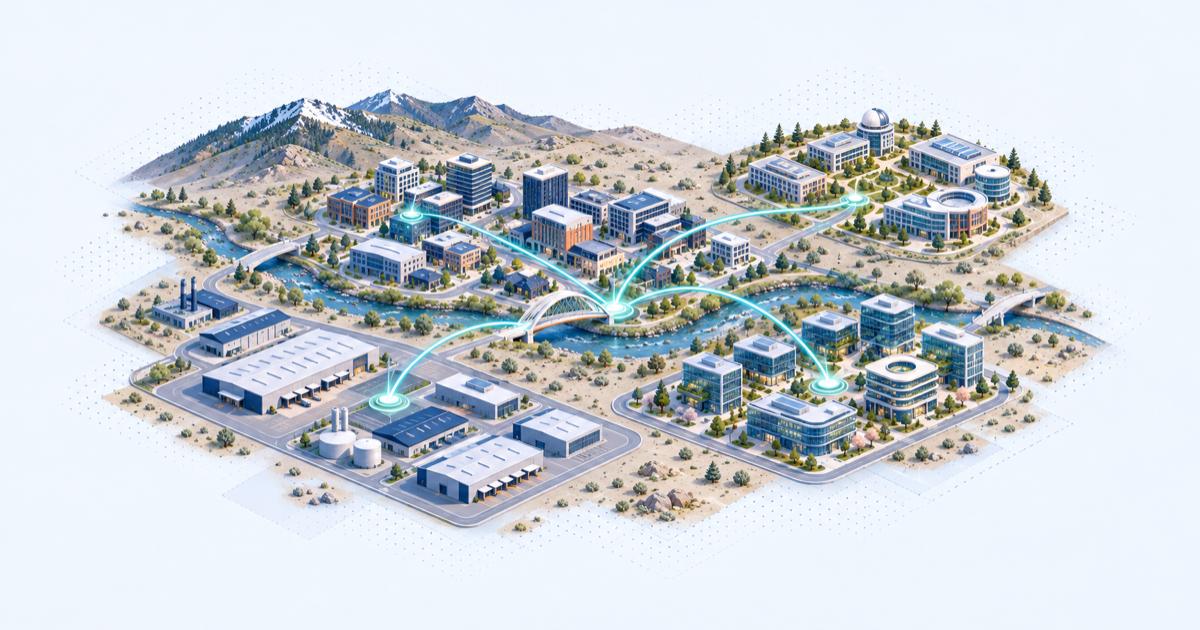
General information, not personalised financial, legal or tax advice. Programme and company criteria are research filters, not an eligibility ruling. The cover is an editorial ecosystem illustration, not a map of investor offices or actual financing flows.