Osaka, Kyoto and Kobe form one connected Kansai ecosystem, but a founder still needs to choose the right investment conversation. A university spinout, a hardware team preparing production and a B2B software company need different evidence. This guide compares local commercialization partners with wider Japanese venture routes.
Compare 18 provider families, including 5 documented local or regional routes. Start with the decision framework, use the comparison to screen candidates and save the evidence in the worksheet before you approach anyone.
Choose the Kansai route that matches the company, not just the city
| Your situation | Research first | Prepare or clarify |
|---|---|---|
| University research becoming a company | Compare Kyoto iCAP, OUVC and Kobe University Capital against the actual affiliation and fund criteria. | Document the research connection, ownership, team and next technical/commercial milestone. |
| A hardware prototype moving toward production | Research Monozukuri and relevant Miyako, Beyond Next or Global Brain strategies. | Explain technical reliability, manufacturing and the first real customer test. |
| Early digital or B2B software | Compare DNX Capital, Genesia, Incubate and appropriate national early funds. | Prepare the buyer, product evidence and relevant current entry round. |
| An AI company or international technology case | Research DEEPCORE, Scrum and relevant frontier-technology teams. | Explain the technical edge and why a US–Japan or wider-market connection actually matters. |
Choose a small first wave you can research properly. Record one reason for fit, one relevant proof point and the next unanswered question for each investor. Move a name out of the active queue when the stage, sector or geographic conditions do not fit.
Compare 18 local and wider investor routes
The connection column distinguishes a documented city or regional route from a wider mandate. It does not imply that every provider has an office here. Initial investment stages and follow-on support are different. This selective list is unranked; each provider family counts once.
| Investor or network | Connection | Entry-stage distinction | Company focus |
|---|---|---|---|
| ANRI | Wider route: Tokyo office; Japanese startup ecosystem | Seed and early company building | Startup investment; research and development; founder-led innovation |
| Coral Capital | Wider route: Japanese startup ecosystem; cross-border capital connections | Seed through Series D described | Technology companies; company-specific fit |
| DNX Capital | Wider route: Japan at the core of an APAC investment remit | Early-stage entry; continued seed-to-growth support | B2B startups, especially software |
| Genesia Ventures | Wider route: Japan, Southeast Asia and India | Seed; later rounds described for existing companies | Digital transformation and new-industry creation |
| Global Brain | Wider route: Japan and wider Asian, North American and European activity | Seed through later stage; fund-specific | Deep tech; AI; climate; healthcare; enterprise; commerce |
| GLOBIS Capital Partners | Wider route: Tokyo investment company; Japanese startup ecosystem | Confirm the relevant team's current entry stage | Technology and new-industry company building |
| Incubate Fund | Wider route: Tokyo headquarters; confirm vehicle-specific scope | First rounds and early company building | New-industry and startup creation |
| JAFCO | Wider route: Domestic Japanese venture-investment strategy | Pre-founding, seed and early-stage venture entry; follow-ons separate | New businesses and innovative companies |
| SBI Investment | Wider route: Japanese investment platform with domestic and overseas strategies | Company and fund-specific; confirm current entry stage | AI; blockchain; fintech; IT; biotechnology; healthcare; environmental energy |
| Kyoto iCAP | Local / regional: Kyoto University and Japanese university research commercialization | Research commercialization and early company support; vehicle-specific | Therapeutics; medtech; climate; computing; industrial deep tech; food/agtech |
| Osaka University Venture Capital | Local / regional: University of Osaka and other national-university venture routes | Pre-company incubation and university-venture investment | Drug discovery; medical services; machinery/materials; manufacturing; environment/energy; ICT |
| Beyond Next Ventures | Wider route: Tokyo headquarters; separate India activities | Seed and early entry with subsequent growth support | Healthcare; drug discovery; food/agriculture; frontier technology; climate |
| Spiral Capital | Wider route: Domestic Japanese startup funds; separate strategic mandates | Primarily seed/early; some later-stage investment | Smart infrastructure; fintech; healthcare; AI; relevant deep tech |
| Scrum Ventures | Wider route: US and Japan investing; San Francisco-based platform | Early-stage | AI/robotics; climate; mobility; healthcare; deep tech; sports/entertainment |
| DEEPCORE | Wider route: Japanese platform; published global startup scope | Pre-seed through Series A emphasis | AI and advanced technologies across industries |
| Miyako Capital | Local / regional: Kyoto headquarters; Japan and global ambition | Seed and early emphasis; other stages considered | Research-led technology and other innovative businesses |
| Kobe University Capital | Local / regional: Kobe University, Kansai research institutes and relevant alumni | Research commercialization; fund-specific | Science-led technology and university ventures |
| Monozukuri Ventures | Local / regional: Kyoto and North America | Early hardware investment; confirm current entry | Hardware; industrial and manufacturing technology |
Osaka, Kyoto and Kobe research routes are connected, not interchangeable
Start with the institution and technology rather than treating every Kansai research company as eligible for every university fund. Kyoto iCAP, Osaka University Venture Capital and Kobe University Capital publish different relationships and vehicles. A founder needs to know who owns the research, which company is raising and what the first commercial test requires.
Kobe University Capital describes Kansai research and relevant Kobe alumni routes. Miyako can develop academic links after an investment, so its university connections should not become an invented blanket affiliation rule. University reputation is useful context; the actual company and vehicle criteria decide the research queue.
Who are the top VCs in Japan?
The useful answer for a Kansai founder is a fit-based selection, not an unsupported ranking. National managers such as JAFCO, Global Brain and SBI contain different strategies; early specialists and university-linked investors ask different questions. This guide is unranked and separates local relationships from wider mandates.
The existing national Japan guide remains the broader overview. Here, add a commercialization lane, technical evidence and public approach route to each candidate. A larger firm or later-stage portfolio announcement does not prove that its current team is the right first investor for this company.
A prototype is not the same milestone as a software launch
A Kansai hardware team should identify what has been built, what a customer has tested and what remains uncertain about manufacturing. A software team should explain product use and buyer learning. Monozukuri’s direct investment process is distinct from paid prototyping or consulting, and corporate investment is distinct from a procurement pilot.
Make the introduction request easy to understand: company, evidence, next milestone and reason for this team. If there is no genuine relationship path, use the public founder route. Keep the question specific enough that a useful mismatch can be identified early.
18 investors and networks to research
1. ANRI
Independent venture capital firm. ANRI provides a wider Japanese seed-company route for a Kansai founder. Its current VORTEX FAQ distinguishes the timed programme from normal investment enquiries. The autumn 2026 deadline has passed, so use the normal official founder route rather than describing that cohort as open.
Approach: Current official founder contact. Official ANRI information. Additional criteria or geographic context.
2. Coral Capital
Japan-focused venture investor. Coral describes a broad company-stage range, so a Kansai founder should be specific about the entry round. Explain what the first market has established and what expansion requires. Its national startup network does not replace the relevant team and current vehicle criteria.
Approach: Official investment-team contact. Official Coral Capital information.
3. DNX Capital
Japan/APAC B2B venture team; former DNX Ventures Japan team. DNX Capital is the current Japan/APAC team identity, distinct from applying an old global DNX Ventures description to every office. For a Kansai B2B company, prepare the buyer, software workflow and current commercial evidence. Confirm the relevant early-entry strategy.
Approach: Current Japan/APAC investment team. Official DNX Capital information. Additional criteria or geographic context.
4. Genesia Ventures
Seed-stage venture firm. Genesia’s seed-stage route can be researched by an early Kansai digital company. Explain the operating problem and initial customer learning before presenting wider Asian ambition. Later portfolio funding is not evidence that the same team accepts every new company at a later stage.
Approach: Official team contact. Official Genesia Ventures information. Additional criteria or geographic context.
5. Global Brain
Independent venture manager with multiple fund strategies. Global Brain manages independent and corporate-related strategies. A Kansai team should match the product and round to the actual vehicle, separating equity from a possible corporate deployment. Deep technology, climate and enterprise teams may need different investment professionals.
Approach: Official company contact. Official Global Brain information.
6. GLOBIS Capital Partners
Venture investment firm. GLOBIS adds a wider Japanese venture route for a company building a substantial new business. Explain the company evidence, intended market and relevant current entry round. Its education brand and venture partnership are not interchangeable services or additional investor counts.
Approach: Official investment-manager contact. Official GLOBIS Capital Partners information. Additional criteria or geographic context.
7. Incubate Fund
Company-formation and early-round venture firm. Incubate Fund is useful to research near company formation and first financing. A Kansai founder should explain the founding team, problem insight and immediate validation plan. Clarify the specific company-building relationship rather than assuming all incubation involves identical investment terms.
Approach: Official founder contact instructions. Official Incubate Fund information.
8. JAFCO
Venture and buyout investment platform. JAFCO’s domestic venture route spans very early company creation and subsequent support. Select venture investment rather than its separate buyout activity. A Kansai team should connect the product evidence with a focused commercial or technical milestone.
Approach: Official investment contact. Official JAFCO information.
9. SBI Investment
Group-backed venture investment manager. SBI Investment contains several investment strategies and corporate relationships. Choose the relevant vehicle and sector team before approaching. A Kansai biotechnology or industrial-AI company should not treat a group-wide technology label as a complete investment thesis.
Approach: Official company investment contact. Official SBI Investment information.
10. Kyoto iCAP
University-owned venture investment company. Kyoto iCAP offers a locally relevant research-commercialization lane. Establish the actual university or research connection and the specific fund conditions. A Kyoto address by itself does not replace the research, intellectual-property and company evidence needed for the route.
Approach: Official company consultation route. Official Kyoto iCAP information. Additional criteria or geographic context.
11. Osaka University Venture Capital
University-owned investment company. OUVC links university research with company incubation and investment. An Osaka or wider Kansai team should identify the relevant university-venture route, technology evidence and commercialization plan. Academic support and an actual equity decision remain separate steps.
Approach: CONTACT. Official Osaka University Venture Capital information. Additional criteria or geographic context.
12. Beyond Next Ventures
Deep-tech investment and company-creation firm. Beyond Next combines deep-tech investment with company creation. A Kansai research team should explain the technical result, missing commercial capabilities and next development milestone. Its India work is a separate geographic strategy, not automatic eligibility for every Japanese applicant.
Approach: Official company-building and funding contact. Official Beyond Next Ventures information. Additional criteria or geographic context.
13. Spiral Capital
Direct venture and strategic-investment platform. Spiral’s domestic startup funds and strategic mandates require different fit checks. A Kansai software, infrastructure or health team should choose the relevant strategy and prepare matching evidence. A potential operating partnership is not a substitute for a venture investment case.
Approach: Official investment-team contact. Official Spiral Capital information.
14. Scrum Ventures
Cross-border early-stage venture firm. Scrum provides a wider US–Japan research lane. A Kansai company should explain why the product and first market could benefit from that connection, with actual evidence rather than a generic overseas-expansion slide. Corporate programme participation does not itself imply a cheque.
Approach: Contact. Official Scrum Ventures information.
15. DEEPCORE
AI-focused incubator and venture investor. DEEPCORE’s June 2026 third-fund announcement describes pre-seed-to-Series-A AI and advanced-technology investment. A Kansai team should explain the technical advantage, real application and next development milestone. Community and incubation support are distinct from an executed investment.
Approach: Official venture-team contact. Official DEEPCORE information. Additional criteria or geographic context.
16. Miyako Capital
Kyoto-based venture firm. Miyako’s Kyoto base and research connections are useful context for a Kansai founder. The firm says it can invest before an academic research connection exists and help develop one. Do not turn its university relationship into an invented universal affiliation requirement.
Approach: Use the current official contact and relevant investment team. Official Miyako Capital information.
17. Kobe University Capital
University-linked venture firm. Kobe University Capital adds a Kobe-specific commercialization route. Its published scope includes Kansai research connections and companies involving Kobe University alumni. Explain the actual connection, technology evidence and company structure; do not assume any Kansai startup qualifies.
Approach: Use the official contact page. Official Kobe University Capital information. Additional criteria or geographic context.
18. Monozukuri Ventures
Hardware venture and prototyping platform. Monozukuri is relevant when the next milestone involves a physical product, manufacturing or a working prototype. A Kansai team should explain the technical risk and route to production. Its consulting and prototyping services are distinct from the Apply for Investment process.
Approach: Use Apply for Investment rather than a service enquiry. Official Monozukuri Ventures information.
A Kyoto hardware team separates three different funding jobs
Fictional worked example. A fictional Kyoto team has a working sensor prototype and one industrial evaluation partner. It has no production run and no institutional round. The assumed next milestone is a reliable pilot batch, not a claim of product-market fit or an investor commitment.
| Candidate | Next action | Why it changes the decision |
|---|---|---|
| Monozukuri Ventures | Research the investment criteria and prepare the production milestone. | Physical-product development is central to the financing job. |
| Kyoto iCAP / Kobe University Capital | Establish the actual research or alumni connection first. | A Kansai location alone does not satisfy university-linked conditions. |
| Miyako Capital | Explain the technology and any useful research partnership. | An academic relationship may be developed rather than universally required before investment. |
| DNX Capital | Keep outside the first queue unless the business is genuinely B2B software-led. | A general technology label does not erase different company models. |
The aim is a more coherent queue, not the largest possible one. Connect the proposed round with an achievable milestone using the round-size planning worksheet.
Build your Osaka–Kyoto–Kobe (Kansai) investor-fit worksheet
Use one card for each provider and strategy. It works in a document, spreadsheet or your Finta research notes. Keep facts, expectations and questions in separate fields.
INVESTOR FIT CARD: OSAKA–KYOTO–KOBE (KANSAI)
Company, current evidence and next funding milestone: [authorised facts]
Kansai base and relevant institution: Osaka / Kyoto / Kobe / other
Research ownership, licence status and affiliation: facts or unresolved questions
Technical result, prototype state and next reliability/manufacturing test
First commercial evidence and intended initial buyer
Investment versus prototyping, incubation or corporate pilot: chosen route
Investor and specific vehicle: [current name; avoid rebrand duplicates]
Official stage, sector and geographic criteria: [URL; date]
Fit evidence: [what matches; not just a portfolio resemblance]
Mismatch or open question: [the unresolved issue]
Approach route: [founder form / network selection / general enquiry]
Relationship context: [known person; permission to ask; or public route]
Lead/co-investment status: [unknown / conditional / confirmed]
Owner, next action and follow-up date: [person; action; date]
Bring the shortlist into Finta to keep investor research, relationship context and follow-up connected. Aurora can help organise the context and prepare a next move for your review. You stay in control of the approach and information shared.
Review your shortlist with Aurora, Claude or Codex
Paste the prompt with the public sources and company information you are authorised to use. Check its output against the sources before acting.
Help me research investor fit for a Osaka–Kyoto–Kobe (Kansai) startup.
Company, location, current evidence and funding milestone: [authorised facts]
Candidates and official sources: [names, URLs and research dates]
Separate local offices, regional operating requirements and wider investment eligibility.
Check the specific vehicle, initial stage, sector, company conditions and public approach route.
Keep university programmes, angel networks, direct equity, grants and commercial partnerships distinct.
Count each manager or rebrand once. Do not assume a portfolio investment proves current eligibility.
Return a table: source, fit evidence, mismatch, unknown, next question and owner.
Flag missing or contradictory evidence instead of filling gaps.
Suggest a short first research wave and explain exclusions.
Do not contact anyone, submit forms or share confidential information.
Keep the wider fundraising process connected with the pre-seed guide, Seed Fundraising Comprehensive Guide and investor-prospecting workflow. For national coverage, see the Japan investor guide.
Methodology and research date
By Finta Editorial Team. Official investor, public-institution and company materials reviewed November 13, 2026, with source-dated prior research used for discovery. 18 provider families are included: 5 documented local or regional routes and 13 wider mandates. Angel networks are identified as networks, not pooled funds. Company-building and strategic investment routes are labelled separately.
Startup Genome’s 2026 Emerging Ecosystems ranking informed city selection; it is not an investor ranking or endorsement. Current official materials support the profiles. A published thesis is not a promise of available capital, current intake or an investment outcome. Confirm open questions directly.
Not counted or kept separate:
- UTokyo IPC is not included merely because the company is Japanese; Tokyo-linked criteria need their own evidence.
- The three Kansai cities are kept in one differentiated guide rather than three repeated national lists.
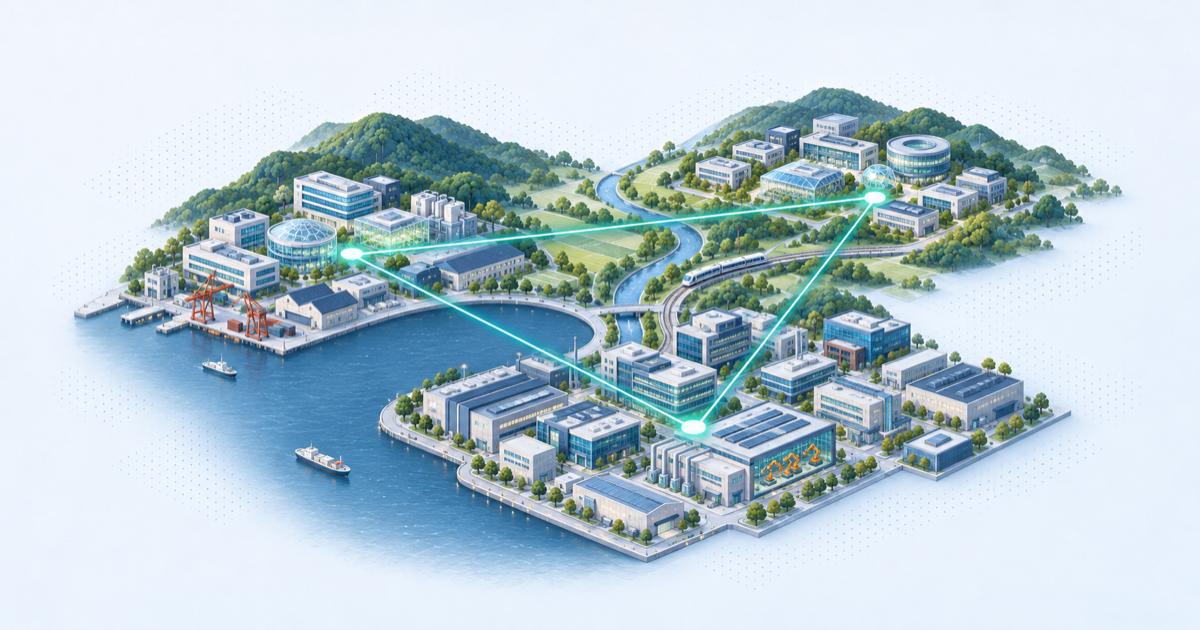
General information, not personalised financial, legal or tax advice. Programme and company criteria are research filters, not an eligibility ruling. The cover is an editorial ecosystem illustration, not a map of investor offices or actual financing flows.