Honolulu founders should not have to choose between a useful local network and an appropriately specialized mainland investor. Start with Hawaiʻi’s actual investment routes, then expand by product, stage and the kind of company you are building. This guide labels those wider options clearly; it does not present mainland firms as Honolulu offices or every local business program as a venture fund.
Compare 15 investment routes by connection, stage and sector, then use the worked example and copyable worksheet to build a more useful first research wave.
Choose a Hawaiʻi relationship, program or specialist investor
| Your situation | Research first | Prepare or clarify |
|---|---|---|
| Early scalable technology startup | Hawaiʻi Angels, Sultan; Blue Startups if the program fits | Separate an investor network from a cohort-based investment commitment. |
| Climate deployment, ocean or agriculture technology | Elemental, S2G, AgFunder, relevant hard-tech specialists | Define the deployment, customer and funding structure. |
| Commercial Hawaiʻi business seeking growth partnership | Tradewind; relevant company-specific investors | Do not assume a local operating-company strategy is a pre-seed software fund. |
Pick a small first wave you can research well. For every candidate, save one source-backed reason for fit and one question to resolve. Prioritize the firms that fit the company you have today, not the stage you hope to reach next year.
Compare 15 investor routes
This is an unranked, selective list of investment organizations and clearly identified investor networks. The connection column is a navigation aid, not a claim that every firm has a city office or accepts every local company. On small screens, scroll the table sideways to compare all columns.
| Investor or network | Connection | Initial-stage distinction | Company focus |
|---|---|---|---|
| Blue Startups | Local connection: Honolulu program; Asia and U.S. connections | Accelerator-stage startup investment | Scalable technology, travel tech and sustainable solutions |
| Hawaiʻi Angels | Local connection: Hawaiʻi and beyond | Early stage | Scalable businesses |
| Sultan Ventures | Local connection: Hawaiʻi-based | Pre-seed and seed | Sector-agnostic; route-specific |
| Elemental Impact | Local connection: Hawaiʻi-linked; wider climate companies | Pre-seed through Series C | Climate deployment across energy, industry, food, water and transport |
| Tradewind Capital | Local connection: Hawaiʻi | Operating-company and growth opportunity-specific | Hawaiʻi businesses; real estate is separate |
| S2G Investments | Wider mandate: Wider specialist mandate | Venture and growth; strategy-dependent | Energy, food/agriculture and oceans |
| Better Ventures | Wider mandate: Wider specialist mandate | Early stage; confirm entry round | Science and technology for sustainable industry and wider impact |
| AgFunder | Wider mandate: Wider specialist mandate | Technology venture stage; confirm round | Food, agriculture, human and planetary health |
| Pangaea Ventures | Wider mandate: Wider specialist mandate | Hard-tech venture stage; confirm vehicle | Advanced materials, chemistry and biology |
| Anzu Partners | Wider mandate: Wider specialist mandate | Venture stage; financing structures vary | Industrial, clean and life-science technologies |
| Forum Ventures | Wider mandate: Wider company mandate; route-specific | Zero-to-one, pre-seed and accelerator | B2B and AI companies |
| Everywhere Ventures | Wider mandate: International; broader than one U.S. city | Pre-seed | Founder-led startup opportunities |
| Hustle Fund | Wider mandate: Wider startup mandate; confirm company conditions | Very early stage | High-potential startups |
| Mucker Capital | Wider mandate: U.S. companies outside Silicon Valley | Seed and Series A; accelerator route separate | Scalable startups outside Silicon Valley |
| Golden Seeds | Wider mandate: U.S.-domiciled companies | Early stage | Women-led technology, healthcare and consumer companies |
What venture investors can a Hawaiʻi founder research first?
Hawaiʻi Angels, Sultan and the funded Blue Startups program offer different early-company routes. Elemental has current climate funding tracks, while Tradewind’s local business investments answer a different growth and ownership job. HVCA can help navigate the ecosystem, but the association is not counted as a capital provider. Research the actual investing organization and its selection process.
When should a Honolulu startup approach mainland funds?
When the company’s evidence matches a published thesis and the location conditions work. A farm technology, ocean system and B2B software product each call for a different shortlist. Use the wider section as a set of conditional research lanes, not a promise of Hawaiʻi eligibility. Confirm geography, participation requirements and the appropriate vehicle before planning a fundraise around one investor.
15 investors and networks to research
1. Blue Startups
Investing accelerator. Blue Startups combines investment with an intensive accelerator that includes time in Honolulu and San Francisco. It is a funded program, not just a networking event. Review the current cohort, participation requirements and investment terms rather than assuming continuously open remote funding.
Public approach: Use the official next-cohort application. Official Blue Startups information.
2. Hawaiʻi Angels
Angel network. Hawaiʻi Angels connects entrepreneurs with early-stage investors and describes investments in companies both inside and outside Hawaiʻi. Use the founder submission route and understand member decisions. This is a local investor community, not a promise of one pooled fund writing every check.
Public approach: Use Submit Your Startup / For Founders. Official Hawaiʻi Angels information.
3. Sultan Ventures
Venture capital firm. Sultan Ventures describes participation in pre-seed and seed financing alongside advisory and startup services. Identify the actual investment route before treating a service relationship as funding. Its Hawaiʻi company-building connections can be useful when the partnership fits the founder’s needs.
Public approach: Use the official Investment service and team contact information. Official Sultan Ventures information.
4. Elemental Impact
Climate investment and deployment platform. Elemental currently accepts funding applications through several tracks for climate technologies. The useful screen is deployment readiness and the project or strategy support needed. Review the relevant track and funding structure rather than assuming every climate company receives the same financing.
Public approach: Use the official funding-intake form. Official Elemental Impact information.
5. Tradewind Capital
Direct business investor. Tradewind is a local investment arm backing businesses in the Islands as well as pursuing a separate real-estate strategy. For a commercial company, establish the growth and ownership partnership sought. It is not described as a standardized pre-seed technology fund.
Public approach: Use the official company and team information. Official Tradewind Capital information.
6. S2G Investments
Venture capital firm. S2G separates venture and growth investment from structured finance across energy, food/agriculture and oceans. An island or agriculture founder should choose the relevant sector and financing strategy. A project-finance need is not automatically a fit for the venture team.
Public approach: Use the official investment type and Contact pages. Official S2G Investments information.
7. Better Ventures
Venture capital firm. Better Ventures backs science- and technology-driven companies that improve outcomes for people and the planet. Its sustainable-industry themes include electrification, food, agriculture and circular systems. Explain both the commercial business and the measurable problem it addresses.
Public approach: Use the official investment themes and Contact route. Official Better Ventures information.
8. AgFunder
Venture capital firm. AgFunder invests in technologies addressing structural constraints in food, agriculture and health. For an agriculture team, the useful case is how the technology removes a bottleneck to scale. Show the science or product evidence alongside a credible adoption model.
Public approach: Use the official For Startups and Contact Us information. Official AgFunder information.
9. Pangaea Ventures
Venture capital firm. Pangaea invests in hard-tech companies built around advanced materials, chemistry and biology. Show what the technology makes possible and the manufacturing or commercialization hurdle ahead. This is a specialist route for physical innovation, not a general local startup fund.
Public approach: Use the official Founders and Contact information. Official Pangaea Ventures information.
10. Anzu Partners
Venture capital firm. Anzu backs technology breakthroughs across industrial, clean and life-science applications. Its platform includes several financing structures. A founder should explain the technical differentiation, scale-up path and capital need before establishing which strategy can invest.
Public approach: Use the official About and Contact pages. Official Anzu Partners information.
11. Forum Ventures
Venture capital firm. Forum combines a venture studio, accelerator and pre-seed fund for B2B founders. Choose the right route for the company’s stage and desired involvement. A funding-only relationship and a studio company-building partnership should not be treated as the same offer.
Public approach: Use the official Pitch Us page. Official Forum Ventures information.
12. Everywhere Ventures
Venture capital firm. Everywhere Ventures describes pre-seed investing across many markets. It belongs in the wider-route section, not the count of local offices. Show a specific company opportunity and why the pre-seed milestone fits before approaching the team.
Public approach: Use the official Join Our Portfolio route. Official Everywhere Ventures information.
13. Hustle Fund
Venture capital firm. Hustle Fund explicitly invests very early and offers a public pitch route. This can be a useful wider lane when local funds expect later evidence. Explain what you have learned from customers and how quickly the team can test the next important assumption.
Public approach: Use the official Pitch Us form. Official Hustle Fund information.
14. Mucker Capital
Venture capital firm. Mucker explicitly looks beyond Silicon Valley and provides seed and Series A capital. Decide whether you need its venture-capital route or its separately described accelerator path. A company outside a major hub should explain its customer insight and market opportunity, not apologize for its location.
Public approach: Use Submit Company on the official site. Official Mucker Capital information.
15. Golden Seeds
Angel-investor network. Golden Seeds accepts applications from qualifying women-led U.S. companies. Leadership and sector criteria are real screens, not optional marketing language. Use its eligibility page before asking for an introduction, and distinguish founder applications from membership in the investor network.
Public approach: Use the official eligibility and How to Apply pages. Official Golden Seeds information. Additional official criteria or platform context.
A Honolulu climate company builds an island-to-mainland shortlist
Fictional worked example. A fictional company has a working system that reduces resource use at an island customer site. The next milestone is a paid deployment with reliable operating evidence. It needs company capital and deployment support, not simply a grant or a real-estate partner.
| Candidate lane | Next action | Why it changes the decision |
|---|---|---|
| Elemental / Hawaiʻi Angels | Research climate-track and company-funding fit | Local and deployment context create different useful entry points. |
| S2G / Better / specialist hard-tech funds | Explain the product economics and wider commercialization path | The mainland lane should be thesis-driven, not indiscriminate. |
| Blue Startups / Tradewind | Check program participation or company-growth expectations | These are distinct relationships, not interchangeable checks. |
Keep the round tied to a concrete milestone. The round-size planning worksheet can help organize assumptions before you commit to an outreach target.
Build your Honolulu, Hawaii investor-fit worksheet
Use one card per investment organization and strategy. The worksheet works in a document, spreadsheet or Finta research notes. Keep verified facts, assumptions and unanswered questions distinct.
INVESTOR FIT CARD: HONOLULU, HAWAII
Company and next funding milestone: [authorized company facts]
Island operating context: [customer, deployment site and constraints]
Funding purpose: [company capital / deployment / project finance / grant]
Mainland condition: [geography, program participation and vehicle to confirm]
Investor family and specific vehicle: [current name; avoid duplicates]
Official stage, sector and geography: [source URL and research date]
Fit evidence: [what actually matches]
Mismatch or open question: [what remains unresolved]
Investor role: [lead / participant / unknown; source or direct confirmation]
Approach route: [public founder route / team contact / permitted introduction]
Relationship context: [known person; permission to ask; no assumed introduction]
Owner, next action and follow-up date: [person; task; date]
Bring your shortlist into Finta to connect investor research, relationship context, conversations and follow-up. Aurora can help organize the context and prepare next steps for your review. You stay in control of the approach and the information shared.
Review the shortlist with Aurora, Claude or Codex
Use the public sources and company information you are authorized to share. Check the output against those sources before acting.
Help me build an evidence-backed investor shortlist for a Honolulu, Hawaii startup.
Company, location, current evidence and next funding milestone: [authorized facts]
Candidates and official sources: [names, URLs and dates]
Separate local offices, regional requirements and wider investment eligibility.
Check the current investor family, vehicle, entry stage, sector and public founder route.
Distinguish equity investors, angel networks, investing accelerators, grants and service providers.
Do not infer current eligibility from a historic portfolio investment or a nearby office.
Return a table: investor, fit evidence, mismatch, unknown, next question and action owner.
Choose a small first research wave and explain exclusions.
Keep missing or contradictory facts as unknown rather than inventing answers.
Do not contact anyone, submit applications or share confidential information.
Keep the broader raise connected with the pre-seed guide, Seed Fundraising Comprehensive Guide and investor-prospecting workflow. For a national starting point, see the U.S. venture-capital and angel-investor guide.
Methodology and research date
By Finta Editorial Team. Official investor and institutional materials reviewed November 13, 2026. This guide includes 15 investor families or clearly identified networks: 5 local connections, 0 state or regional routes and 10 wider options. A local connection can be a university route or regional network group, not necessarily a standalone fund office.
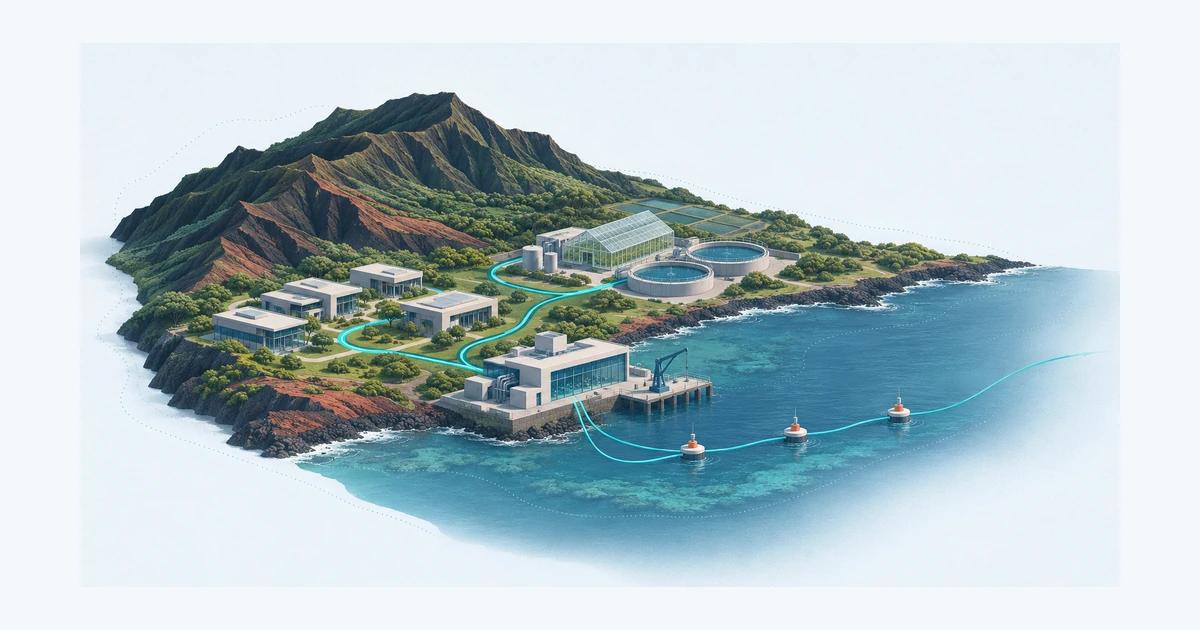
Names, investment roles and published theses were checked against the official sources linked in each profile. Related managers, rebrands and chapters are grouped conservatively. Unspecified entry stages, geography and current intake are left as questions, not invented criteria. A published strategy is not a guarantee of available capital or a funding outcome. The cover is an editorial ecosystem illustration, not a map of investor offices or actual financing flows.
Not counted or kept separate:
- HVCA is an association, not an investment fund.
- Mana Up’s accelerator is not counted as direct equity without a verified current investment route.
- Ulupono’s transition announcement is not treated as proof of a continuing open venture intake.
General information, not personalized financial, legal or tax advice. Confirm investment terms and company eligibility with the provider and appropriate advisers.