Workflow
Review Co-Investor and Portfolio Follow-Up
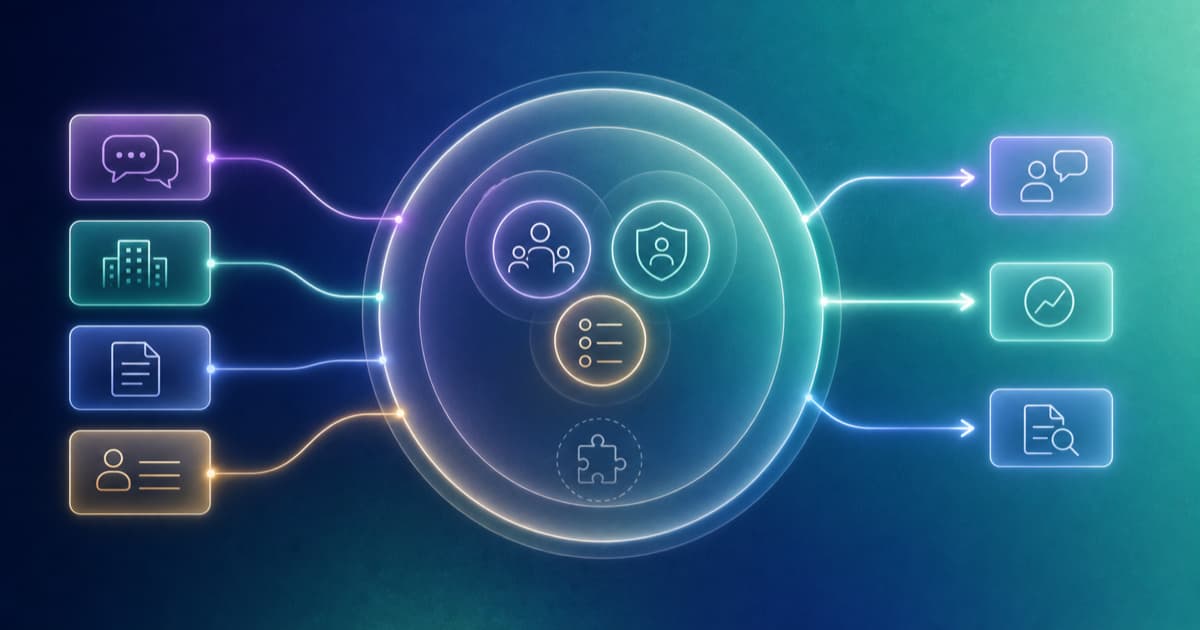
A reviewed co-investor and portfolio follow-up queue that separates diligence, relationship, support, and investment decisions while preserving confidentiality and ownership.
- Audience
- Family office principals, Family office investment teams, Portfolio support teams
- Products
- CRM, Networks, Aurora, Documents, Tasks
- Integrations
- Gmail, Outlook, Google Calendar
- Prerequisites
- Permissioned co-investor, advisor, company, and principal records, A defined investment, portfolio, and confidentiality policy, Connected or logged communication and document evidence, A named internal owner for every decision and follow-up
- Expected outcome
- A reviewed co-investor and portfolio follow-up queue that separates diligence, relationship, support, and investment decisions while preserving confidentiality and ownership.
- Approval boundary
- The authorized family-office decision maker and any required legal, tax, investment, or compliance advisor approve decisions and external communication. Finta does not recommend investments or determine regulatory status.
Direct answer: A reviewed co-investor and portfolio follow-up queue that separates diligence, relationship, support, and investment decisions while preserving confidentiality and ownership.
Who this workflow is for
Family office principals, Family office investment teams, Portfolio support teams. Use it when relationship context is spread across approved records, communication, meetings, and documents, but the final judgment still belongs to a person.
Execution mode and prerequisites
Reviewed family-office operations recipe. Finta can organize accessible records, documents, and relationship context, but authorized people own diligence conclusions, investment decisions, portfolio actions, and communication.
- Permissioned co-investor, advisor, company, and principal records
- A defined investment, portfolio, and confidentiality policy
- Connected or logged communication and document evidence
- A named internal owner for every decision and follow-up
Inputs, review boundary, and outcome
| Input | What a person verifies | Reviewed output |
|---|---|---|
| Co-investor and advisor records | Relationship owner, consent, conflicts, and confidentiality | Permissioned relationship context |
| Portfolio and opportunity records | Entity, status, internal owner, and governing policy | Correct workstream |
| Communication and documents | Source, version, access, open request, and deadline | Reviewed action queue |
Run the workflow
- Define the entities, workstreams, authorized reviewers, and time window included in the review.
- Reconcile co-investor, advisor, portfolio, opportunity, email, meeting, and document records.
- Classify each open item as diligence, relationship, portfolio support, reporting, or internal decision work.
- Check confidentiality, conflicts, access permissions, responsible owner, and required professional review.
- Prepare the next internal action or external message as a source-linked draft.
- Record the authorized decision, owner, timing, and outcome without collapsing separate entities or roles.
Human approval boundary
The authorized family-office decision maker and any required legal, tax, investment, or compliance advisor approve decisions and external communication. Finta does not recommend investments or determine regulatory status.
Worked example
A co-investor asks for an updated portfolio-company forecast before a follow-on discussion, while the company asks the family office for a customer introduction. The team creates separate workstreams, confirms document access and company approval, assigns the forecast review to the investment lead, and routes the introduction request through the relationship owner. Neither request is treated as an investment commitment.
Expected review receipt
- The relevant family entity and workstream are explicit
- Source documents, versions, and permissions are recorded
- Conflicts, confidentiality, and required advisors are identified
- The authorized decision and communication owner are attributable
Decision checklist
- The correct family entity, company, opportunity, and relationship are identified
- Document versions and access permissions are current
- Conflicts and confidentiality boundaries are visible
- Operational follow-up is separated from investment advice and decisions
- Authorized owners and advisors approve consequential actions
Failure states and safe stops
- Family entities, roles, or beneficial interests are conflated
- Document access or confidentiality is uncertain
- An operational request is mistaken for an investment decision
- A legal, tax, investment, or regulatory question lacks the appropriate reviewer
Where Finta helps
In a supported, permissioned setup, Finta can organize the relevant CRM record, relationship history, connected or user-provided evidence, documents, and next-action workspace. Aurora can prepare a recommendation, summary, or draft. A person remains responsible for checking the evidence and approving consequential changes or communication.
Relevant Finta products: CRM, Networks, Aurora, Documents, Tasks. Relevant integrations: Gmail, Outlook, Google Calendar.
What this workflow does not do
- This workflow is general operational guidance, not investment, legal, tax, accounting, or regulatory advice.
- Finta does not determine whether an organization qualifies for the family-office exclusion or another regulatory status.
- A diligence request, introduction, or follow-up is not evidence of an investment commitment.
Sources and review notes
The SEC's family-office rule defines a specific exclusion from the investment-adviser definition. The official source is included only to reinforce that regulatory status is a legal question for qualified advisers, not something this workflow or Finta determines.
- SEC family-office rule overview
- Finta CRM
- Finta Networks
- Finta Documents
- Portfolio company fundraising workflow
Research reviewed: September 1, 2026. Recheck product behavior, permissions, professional standards, and the human approval boundary before publication and after any material workflow change.