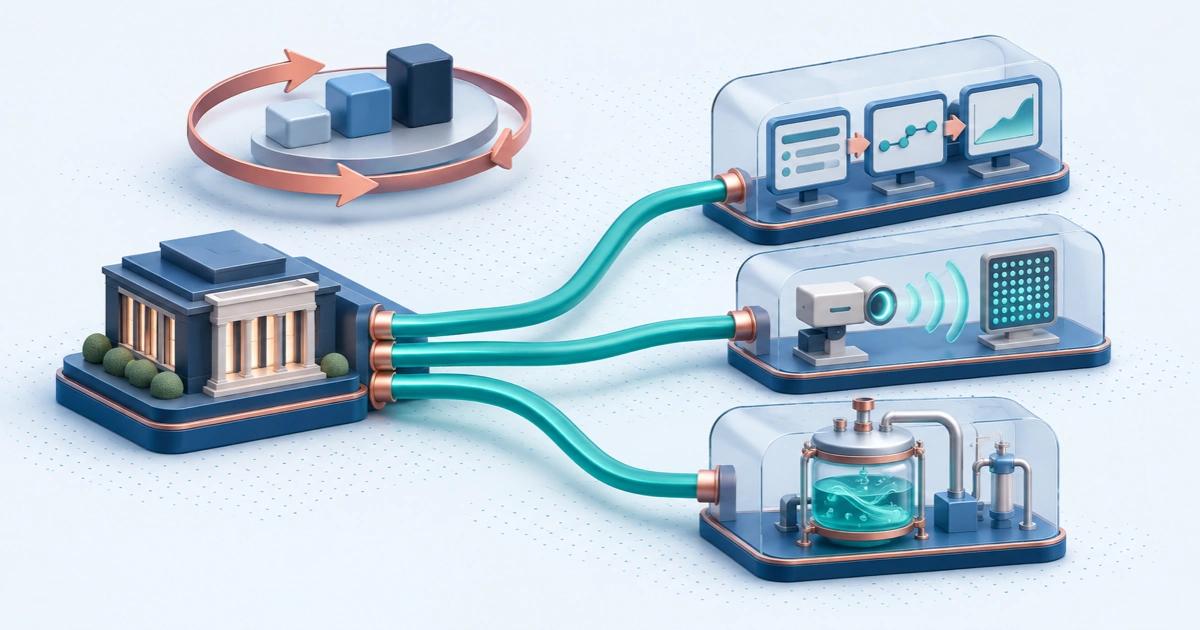
“Healthcare” is not one investment category. Software used by a clinic, a diagnostic platform and a preclinical drug developer need different evidence, timelines and expertise. A family office may invest in one and pass on the others.
This guide compares 16 family-office and family-backed company-investment routes. It includes broader proprietary and permanent-capital platforms, labeled in the profiles. The goal is to help a founder choose a relevant conversation, not rank families by wealth.
Choose the right healthcare investment route
Start with what the company sells and what must be proven next. Then match the investor's direct-company strategy, entry stage and market scope. A fund commitment or an older healthcare holding does not establish a current open mandate.
- Digital care and healthcare software: describe the user, buyer, deployment workflow and evidence of adoption. Do not call a sales pilot clinical validation.
- Diagnostics and research tools: explain the intended use, validation completed and the next technical or commercial milestone.
- Therapeutics and scientific platforms: identify development stage, scientific evidence and the work the round will finance. Match the risk to a team that documents relevant expertise.
Compare 16 healthcare family-capital routes
Reviewed November 13, 2026. This is a curated research list, not an investment recommendation or size ranking. Scroll the table sideways on mobile. Unpublished stage or geographic criteria remain questions to resolve.
| Investor | Product focus | Stage or route | Geographic filter |
|---|---|---|---|
| Gloucester Ventures | Biotech tools, platforms and precision diagnostics | Pre-seed and seed | US, UK and Israel |
| Wille Finance | ICT and life sciences | Venture: Series A and B; buyout is separate | European venture strategy; DACH buyout scope is distinct |
| Adeline Arts & Science | Frontier technology, AI, science, climate and health | Pre-seed through Series A | UK and European sourcing, including DACH; global outlook |
| Arkin Capital | Biotech, digital health and other healthcare strategies | Early and later biotech; digital-health strategies differ | Israel-rooted platform; confirm company eligibility |
| AlFardan Ventures | Digital health, biotechnology and AI-enabled diagnostics | Early through growth | UAE launchpad, Middle East and global opportunities |
| JIMCO | Biotechnology, healthcare and life-sciences innovation | Early and later life-sciences opportunities; vehicle-specific | Global; confirm relevant company market |
| Apeiron Investment Group | Transformative technology and human health | Incubation to growth and public holdings; strategy-specific | Global; primary US focus; European teams |
| PremjiInvest | Healthcare, life sciences and technology-enabled businesses | Earliest stages through public markets; strategy-specific | India and US activity; confirm company and vehicle scope |
| Nadathur | Science, technology and healthcare innovation | High-potential science and technology ventures; exact entry policy not published | India-rooted and global activity; confirm eligibility |
| Aarin Capital | Healthcare, life sciences and education | Inception and development of technology-led businesses; round-specific | India-centric businesses |
| Pivotal Ventures | Caregiving, women's health and financial access | Series A and B for direct-company strategy | US-centered platform; confirm each opportunity's scope |
| Blue Haven Initiative | Direct financial-services and mental-health opportunities; climate funds are distinct | Direct companies: seed, Series A, Series B and opportunistic | New investments focus on the US; legacy portfolio differs |
| Emerson Collective | Digital health, energy and environment, fintech, education and work | All stages; thesis-led | US-based platform; confirm company-market fit |
| B-FLEXION | Life sciences and transformative operating businesses | Strategy-specific company investment | Europe and US offices; investing entity matters |
| Raptor Group | Technology, AI, robotics, healthcare and other stated sectors | Early stage through growth; strategy-specific | Boston-based platform; company-market scope must be confirmed |
| Kodori | Kodori Ventures focuses on mental health | Early-stage venture arm; precise entry policy to confirm | Zug-based; confirm company-market scope |
Read provider criteria and approach routes
1. Gloucester Ventures
Single-family office. Gloucester's early-stage remit is useful for a platform or tool company before a late clinical program. Present the enabling capability, buyer and validation plan. Its diagnostics and technology-biology focus is not a blanket invitation for every therapeutic asset.
Founder route: Pitch Your Startup on the official site. Official criteria.
2. Wille Finance
Single-family office. Wille's venture strategy names life sciences and ICT at Series A and B in Europe. A founder should distinguish that venture team from its separate buyout activity. Describe clinical, product or commercial progress appropriate to the actual strategy, not a generic request for patient capital.
Founder route: Private equity team contact on the official page. Official criteria.
3. Adeline Arts & Science
Family office. Adeline combines an early-stage family-office approach with interest in health and frontier science. Its pre-seed-to-Series-A window can suit a company still building core evidence. Explain the scientific uncertainty, validation plan and why the next round can resolve an important question.
Founder route: Pitch us form on the official site. Official criteria.
4. Arkin Capital
Family-origin investment platform with external-capital strategies. Arkin separates biotech and digital-health investing. A drug developer and a clinical-workflow software company should approach the relevant team with different evidence. The platform's family origin does not mean every current vehicle invests only proprietary family capital.
Founder route: Official team and company contact. Official criteria · Supporting official evidence.
5. AlFardan Ventures
Family-office and strategic investment arm. AlFardan describes a direct-investment focus across healthcare technology and scientific development. State whether your product is software, a device, diagnostics or a therapeutic platform. The right conversation starts with the specific health application and the evidence needed for the next milestone.
Founder route: Official Contact form. Official criteria · Supporting official evidence.
6. JIMCO
Jameel-family global investment arm. JIMCO's life-sciences activity includes company investments as well as fund relationships. Identify the direct-company team and the development milestone you are financing. A commitment to a venture fund is not an independent application route for a company in that fund's sector.
Founder route: Official company and investment contact. Official criteria.
7. Apeiron Investment Group
Founder-owned proprietary investment platform. Apeiron names biotechnology as a core investment area and can work across company formation and later development. Separate proprietary investments from its manager and fund relationships. A biotech company should identify the relevant team and development-stage fit rather than assume the whole group uses one entry policy.
Founder route: Official contact form. Official criteria.
8. PremjiInvest
Permanent-capital investment platform. PremjiInvest combines a long-duration platform with distinct private and public investment work. For a healthcare company, explain the scientific or commercial proof already achieved and the next value-building milestone. A broad company lifecycle does not make the same partner or check appropriate at every stage.
Founder route: Official investment team and contact. Official criteria.
9. Nadathur
N. S. Raghavan family investment office. Nadathur is relevant to founders building science-led businesses rather than treating family capital as a generic source of money. Connect your company to its stated innovation focus. Ask the team to confirm the development stage and whether the opportunity belongs in direct investing rather than another part of the family platform.
Founder route: Official contact page. Official criteria.
10. Aarin Capital
Proprietary venture investment platform. Aarin's stated sectors make it a focused route for a healthcare company with a clear technology-led business model. Specify the patient, provider or enterprise customer and the scientific or operating evidence. Keep its direct company work separate from any investments in other fund managers.
Founder route: Official company contact. Official criteria.
11. Pivotal Ventures
Melinda French Gates' direct-investment platform. Pivotal's direct-company strategy focuses on Series A and B and connects investment to women's economic power and well-being. It can be relevant to care and women's-health businesses with a genuine mission match. Its fund commitments are a different route and should not be used to infer pre-seed company eligibility.
Founder route: Official Pivotal investment information and contact route. Official criteria.
12. Blue Haven Initiative
Single-family impact investment office. Blue Haven's current direct-company priorities include mental health, with new investments focused on the US. That is a more useful filter than older portfolio geographies. A mental-health founder can research the company strategy; a general biotech company should not assume an equivalent mandate.
Founder route: Official Private Investments team and contact route. Official criteria.
13. Emerson Collective
Founder-led investment platform; venture arm. Emerson's venture strategy includes digital health across company stages. Show the operating problem, user and evidence that the product can improve delivery or access. Its philanthropic work is distinct, so a venture pitch should identify a company financing need and the corresponding investment team.
Founder route: Official venture team and contact route. Official criteria.
14. B-FLEXION
Family-rooted private entrepreneurial investment platform. B-FLEXION's principal life-sciences activity spans biopharma, diagnostics and innovative healthcare services. Identify the actual company-investment team and development stage. Its investment-management partnerships are not extra family-office investors and do not establish one common startup-entry policy.
Founder route: Official Contact page. Official criteria.
15. Raptor Group
Investment firm backed by Jim Pallotta's family office. Raptor includes healthcare within a broader technology investment platform backed by family capital. This can be a useful generalist route for a technology-enabled healthcare company. Verify the relevant team's development-stage experience rather than treating an early-to-growth statement as acceptance of every clinical risk.
Founder route: Official Contact Us route. Official criteria.
16. Kodori
Swiss-family-office-backed private investment company. Kodori Ventures currently emphasizes mental health. That focus deserves its own screen: a mental-health platform and a medical device used in another specialty are not equivalent matches. Describe the patient or provider problem and product evidence, then confirm the current company-stage requirements.
Founder route: Official contact information. Official criteria.
Match the evidence to the business
Build one short evidence brief before making introductions. For software, include a clearly defined customer, adoption evidence and implementation requirements. For a tool or diagnostic product, explain validation and the intended buyer. For a scientific platform, separate what has been demonstrated from the next experiment or development milestone.
Keep three decisions distinct: can this investor consider the company, does the team understand the evidence, and can its process fit the round? A healthcare thesis answers only part of the first question. Ask about entry stage, geography, decision timing and the relevant investing entity before sending a large document set.
A worked shortlist for a mental-health software company
Fictional example: Cedar Care sells workflow software to mental-health providers and is preparing a Series A. Its founders first investigate Blue Haven's US mental-health direct-company strategy, Kodori's mental-health venture focus and Emerson's digital-health remit. Pivotal enters the research queue only if the product genuinely fits its stated care or women's-well-being priorities.
The founders do not add a drug-development investor simply because both businesses serve patients. They prepare a one-page brief showing the actual user, customer evidence and deployment milestone. For each retained provider, the team records the exact match and one unresolved eligibility question.
Copy the healthcare investor-fit worksheet
Use one record per investing platform, not one per portfolio company or affiliated manager. Keep the source, introduction context and next action together in Finta's CRM.
HEALTHCARE FAMILY-CAPITAL FIT WORKSHEET
Company / product:
Category: software / care delivery / device / diagnostic / tool / therapeutic
Actual user and buyer:
Scientific, product or commercial evidence already achieved:
Next milestone and work financed by this round:
Investor platform and direct-company team:
Published sector match and source:
Entry stage: confirmed / not established
Geographic scope and question to resolve:
Evidence this team is equipped to evaluate:
Public first-contact route:
Non-confidential first question:
Relationship owner / next action / review date:
Ask Aurora, Claude or Codex to review your shortlist
Supply your facts and the official sources. Review the result before acting; this is a research aid, not automatic outreach.
Review my healthcare family-capital shortlist using only the official sources and company facts I supply.
Company: [product, actual user and buyer, country, stage, evidence and next milestone].
Separate software, care delivery, devices, diagnostics, research tools and therapeutics. Distinguish direct startup investments from fund allocations, philanthropic grants and public-market positions. For each provider, identify the documented team, entry stage, geography and approach route. Do not infer a current mandate from one old portfolio holding. Mark unknowns, reject weak category matches and return a short research queue with the evidence needed for each conversation. Keep clinical, legal and financing judgments for the appropriate advisers. Do not contact anyone or promise an investment.
Methodology and related resources
The Finta Editorial Team reviewed investor-controlled strategy, portfolio, company and contact pages. Current strategy statements establish a research fit, not available capital or a promise to accept a pitch. We distinguish traditional family offices from family-origin venture firms, dedicated investment arms and broader permanent-capital platforms. Profiles and links are original summaries.
Start with the direct-startup family-office hub, then use the family-office pitch guide to prepare a relevant approach. Scientific companies can compare the preclinical biotech investor guide. For overall round planning, keep the seed fundraising comprehensive guide central.
This is general research and organizational information, not clinical, financial, legal or tax advice. Confirm current criteria directly with the relevant team.